The Ultimate Guide to Selecting Perfect Hiking Shoes
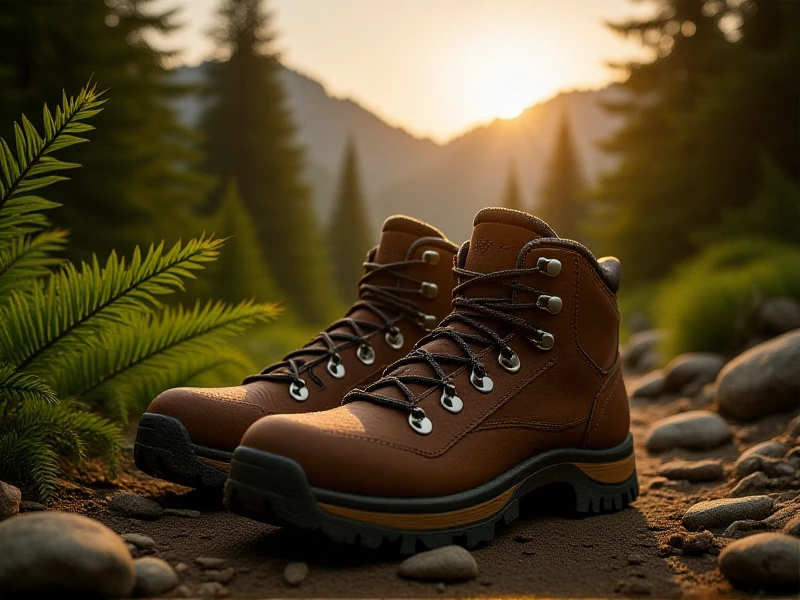
Stepping into the great outdoors on a hiking adventure always feels refreshing. But let's be real—having the right pair of hiking shoes can make all the difference between a joyful trek and a painful slog. As an outdoor enthusiast for over a decade, I've learned firsthand that choosing the best hiking shoes is non-negotiable for comfort and safety. After all, your feet are the literal engine of your journey, and improper footwear can lead to blisters, slips, or worse. In this guide, I'll walk you through what to look for so you can hit the trails with confidence, enjoying every moment without worry about sore soles.
First off, it's crucial to understand the types of hiking shoes available. Broadly, you'll find three main categories: lightweight trail runners, mid-cut boots, and sturdy mountaineering boots. Lightweight trail runners, like those from well-known brands, are perfect for easy day hikes on smooth paths—think quick jaunts in local parks. They're breathable and super comfy, but they don't offer much ankle support. For more rugged terrain, such as hills or forest trails, I recommend mid-cut hiking shoes. These provide a solid ankle brace to prevent twists and often have better cushioning. Then, there are heavy-duty mountaineering boots, which excel in tough conditions like rocky mountains; they're waterproof and ultra-durable, though they can feel bulky. Personally, I switch between mid-cuts and trail runners depending on weather and trail difficulty—it's all about matching the shoe to your adventure.
Next up, focus on key features that turn good hiking shoes into reliable partners. Comfort ranks top of my list—look for ones with ample padding around the heel and arch support to avoid hot spots during long pushes. Fit is another game-changer: always try shoes on with thick hiking socks and walk around to ensure no pinching or sliding. Waterproofing, such as Gore-Tex linings, is essential for wet climates to keep your feet dry during stream crossings or rainy hikes. Underfoot, a grippy outsole with deep lugs gives you superb traction on slick rocks or mud—test brands known for this in their hiking shoes. Ventilation matters too, especially in warm weather; mesh materials help wick sweat away to reduce blisters. In my experience, balancing these traits creates a shoe that lasts for miles. For instance, prioritizing a snug heel fit and sturdy sole has saved me from falls on steep declines.
When selecting your hiking shoes, consider where you'll trek most. Flat desert paths demand lighter options, while rocky mountains call for boots with ankle support. Always shop in-store for a proper fitting—trying multiple pairs and walking uphill simulates real trails better. Remember, investing in quality hiking shoes pays off for years, making each outdoor escape safer and way more fun. So gear up smart and hike happy! Your adventures are waiting.
( 431)