The Ultimate Guide to Choosing Trekking Shoes for Every Hiker
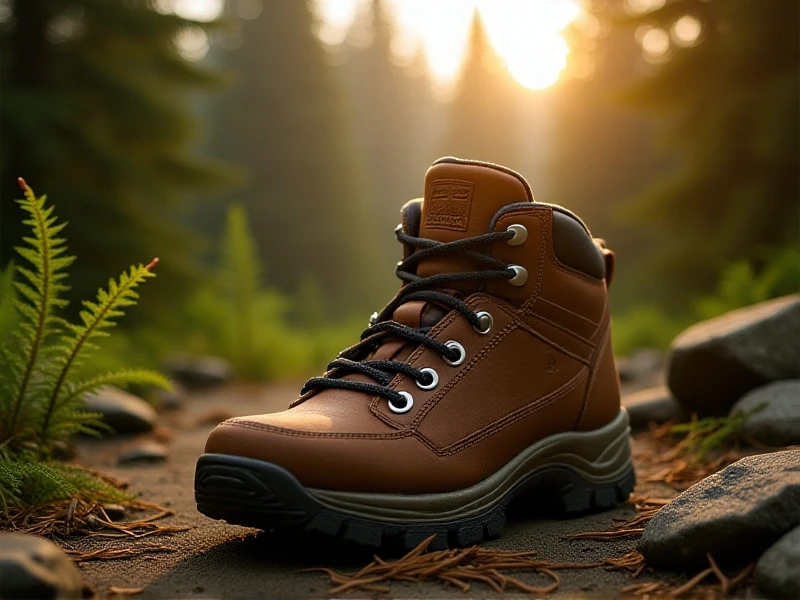
When it comes to hitting the trails, having the right trekking shoes can make or break your adventure. Whether you're a casual day-hiker or tackling rugged mountains, a reliable pair of trekking shoes provides unmatched support, traction, and protection. I've seen hikers struggle with blisters and slips from poor footwear, so I'm sharing essential tips to help you pick the perfect fit. After all, trekking shouldn't be a pain—it's about enjoying nature without worrying about your feet. Let's dive into why trekking shoes are a non-negotiable part of your gear.
First off, why specialize in trekking shoes? Unlike regular sneakers, these are built for rough terrain and long distances. They feature robust soles with deep lugs that grip slippery paths, along with cushioning to absorb impact and prevent fatigue. Plus, waterproof options keep your feet dry in wet conditions, enhancing comfort on multi-day hikes. For instance, on a recent trek through muddy trails, my trusty trekking shoes saved me from countless falls and kept blisters at bay. Don't underestimate this gear—it boosts your safety and fun factor dramatically.
Next, choosing the right trekking shoes involves key factors. Focus on fit: aim for a snug feel with room to wiggle your toes, as tight shoes cause chafing. Test them with hiking socks before buying—walk around to ensure no pressure points. Material is crucial too. Breathable fabrics like mesh keep you cool, while leather offers durability for rugged adventures. Consider your terrain: lightweight trekking shoes suit dry, level paths, while ankle-high boots provide stability on rocky or wet trails. Also, check the tread pattern: aggressive grips improve traction on loose surfaces, essential for avoiding slips.
Now, explore popular types of trekking shoes. Trail runners are feather-light and ideal for speed hikers; they encourage a natural stride but lack ankle support. For all-around use, stick to low-cut trekking shoes—they balance flexibility and protection, making them a versatile choice for most hikes. For serious backcountry travel, opt for supportive boots that handle heavy loads and uneven ground. Remember to maintain your trekking shoes for longevity: clean them after each hike, apply waterproof treatments, and air-dry them away from direct heat.
In short, investing in quality trekking shoes elevates every hiking experience. Pick ones that match your style and terrain, and you'll conquer trails with confidence. Ready to explore? Share your favorite hiking spots or tips below—let's keep the adventures going! (Approx. 400 words)