The Ultimate Hiking Shoes Guide: Find Your Perfect Trail Partner
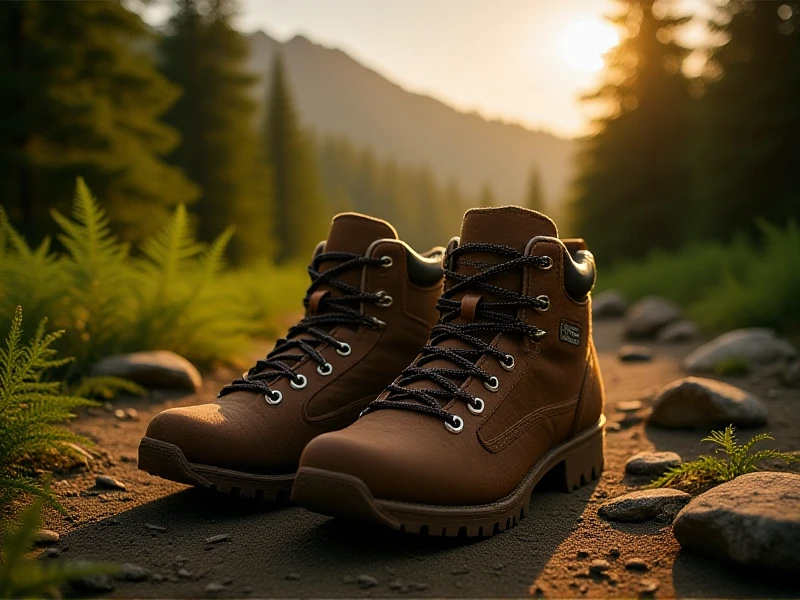
Embarking on an outdoor adventure demands reliable footing. Your choice of hiking shoes is arguably the most critical gear decision you'll make. Whether tackling rugged mountain paths or strolling scenic forest trails, the right footwear provides comfort, support, and protection, transforming a good hike into a great one.
Choosing the Right Type: Boots, Shoes, or Trail Runners?
Hiking footwear falls into broad categories, each suited to different needs:
- Hiking Boots (Mid to High Cut): Offer maximum ankle support and durability for challenging, uneven terrain or carrying heavier packs. Excellent stability on rocky inclines and superior protection against water and debris.
- Hiking Shoes (Low Cut): Provide greater agility and breathability than boots. Ideal for well-maintained trails and day hikes with lighter loads. Break-in periods are often shorter, appealing to casual hikers.
- Trail Runners: Ultra-lightweight and flexible, designed for speed on less technical trails. Focus on breathability and responsiveness over long-term durability or ankle support. Best for fast, light packers on smoother paths.
Key Features to Consider:
- Fit: Hiking shoes must fit impeccably. Your toes need wiggle room downhill (size up slightly is common), while your heel should stay firmly anchored. Always try them on with the socks you plan to hike in. Shop later in the day when feet are naturally slightly swollen.
- Support & Cushioning: Look for adequate arch support and cushioning, especially if traversing rocky ground. Stiff midsoles help prevent foot fatigue over miles.
- Traction: Outsoles with aggressive, multi-directional lugs (like Vibram® Megagrip) are essential for grip on varied surfaces – rocks, roots, loose dirt, and mud.
- Protection: A sturdy toe bumper shields against impacts, and a rock plate embedded in the midsole protects sensitive foot bones from sharp debris.
- Waterproofing: Waterproof membranes (e.g., Gore-Tex®) keep feet dry in wet grass, mud, and shallow streams, but sacrifice some breathability. Quick-drying, non-waterproof hiking shoes are often preferable for hot, dry conditions or extremely strenuous hikes where sweat is the main concern.
Matching Shoes to Your Terrain:
Don't expect one pair to conquer all. Consider your most frequent hikes:
- Rugged, Wet, Cold: Opt for sturdy hiking boots with waterproofing and excellent ankle support.
- Dry, Moderate Trails: Hiking shoes offer the perfect blend of support and agility.
- Fast-Packed, Smooth Trails: Trail runners provide unbeatable speed and comfort.
- Off-Trail Scrambling: Seek aggressively lugged soles and enhanced torsional rigidity.
Caring for Your Investment:
Extend the life of your hiking shoes with simple care. Remove loose dirt after each hike. Let them air dry completely – never use direct heat. Periodically clean them gently with water and a soft brush. Reapply water-repellent treatment (DWR) as needed to maintain waterproofing efficacy.
Choosing the correct hiking shoes isn't just about comfort; it's about safety, performance, and ultimately, enjoying your time in nature to the fullest. Prioritize fit and features tailored to your adventures, and your feet will thank you mile after memorable mile. Find your perfect trail partner and step confidently onto your next path. Research, try them on, and hit the trail!