Unlock Your Next Adventure: Finding the Perfect Trekking Shoes
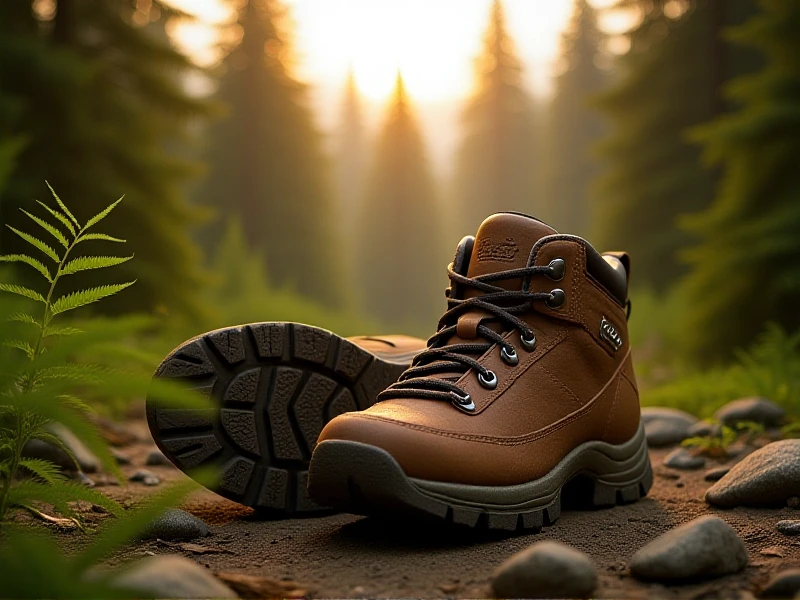
Venturing into the great outdoors demands reliable gear, and your feet are undeniably your most crucial asset. Investing in the best trekking shoes isn't a luxury; it's essential for comfort, safety, and maximizing the joy of your hike. Whether tackling rocky ascents, muddy trails, or winding forest paths, the right footwear provides the stability and support you need.
Why Dedicated Trekking Shoes Matter Forget flimsy sneakers or heavy boots unsuitable for the task. Trekking shoes strike the ideal balance. They’re lighter and more flexible than traditional hiking boots, providing agility, yet offer significantly more protection, grip, and support than running shoes. Their specialized construction tackles uneven terrain effectively, drastically reducing fatigue and the risk of sprains or blisters.
Key Features to Look For:
- Outsole Traction & Stability: The rubber outsole is critical. Look for aggressive, multidirectional lugs (especially if tackling mud or loose soil). Vibram® soles are renowned for durability and grip. A firm heel brake aids steep descents, and torsional rigidity enhances stability on uneven surfaces.
- Midsole Cushioning & Support: This layer absorbs shock. EVA foam is common, providing good cushion-to-weight ratio. Some high-end models incorporate supportive inserts or dual-density foam for better arch and ankle support, reducing fatigue on long treks.
- Upper Material & Protection: Durability and breathability are key. Suede leather offers excellent durability and water resistance, while synthetic mesh boosts ventilation. A reinforced toe cap shields from rocks, and a padded collar/heel cuff prevents rubbing. Waterproof membranes (like Gore-Tex® or similar) are a must for wet conditions but can reduce breathability in hot climates – choose accordingly.
- Fit & Comfort: Perfect fit is non-negotiable. Ensure ample toe room (width and length) to prevent downhill jamming. Try shoes with the socks you intend to hike in. Lacing systems should securely hold the heel and allow midfoot adjustment. Remember, feet often swell during trekking.
Selecting Your Ideal Pair:
- Assess Your Trail: Short, well-maintained trails demand less robust shoes than multi-day wilderness backpacking. Consider the terrain: rocky, muddy, snowy?
- Weight Consideration: Lighter shoes are agile but may compromise durability/ankle support under heavy loads. Match shoe weight to your pack weight and trip duration.
- Waterproofing: Essential for rainy locales or dewy mornings. Opt for breathable, non-waterproof versions for hot, dry climates to prevent sweaty feet.
Breaking Them In: Never embark on a long hike with brand-new trekking shoes! Wear them extensively beforehand – around town, on short local walks – to mold them to your feet and confirm the fit.
Finding the perfect trekking shoes unlocks greater confidence and comfort on the trail, turning potential discomfort into pure trail enjoyment. Prioritize support, grip, and fit, tailored to your specific adventures. Your feet (and your adventure memories) will thank you.
The Ultimate Trekking Shoes Buyer's Guide:
- Activity Focus: Match agility/support levels to trail difficulty.
- Protection: Consider toe caps and underfoot rock plates.
- Outsole Lug Depth: Deeper = better grip in soft/muddy terrain.
- Ankle Support: Height varies – lower cuts are faster drying and more flexible.
- Weight vs. Durability: Find your optimal sweet spot.
- The Right Socks: Quality hiking socks significantly enhance shoe performance.